 ultimate-guide
Cost of Professional Lawn Mowing in Elk Grove: 2026 Guide
Table of Contents
- How Much Does Professional Lawn Mowing in Elk Grove Cost?
- Factors Affecting Lawn Mowing Costs
- Bi-Weekly Lawn Mowing Rates vs. Weekly Service
- Residential Lawn Maintenance Packages Explained
- DIY vs. Professional Lawn Mowing: A Cost-Benefit Analysis
- Seasonal Lawn Care Requirements in the Sacramento Valley
- How to Get an Instant Lawn Care Quote in Elk Grove
- Frequently Asked Questions
Last Updated: September 23, 2026
How Much Does Professional Lawn Mowing in Elk Grove Cost?
The cost of lawn mowing elk grove depends on your yard size, grass type, service frequency, and the condition of your property. Most homeowners find that pricing varies enough between providers that the only reliable figure is the written quote you receive after an on-site assessment.
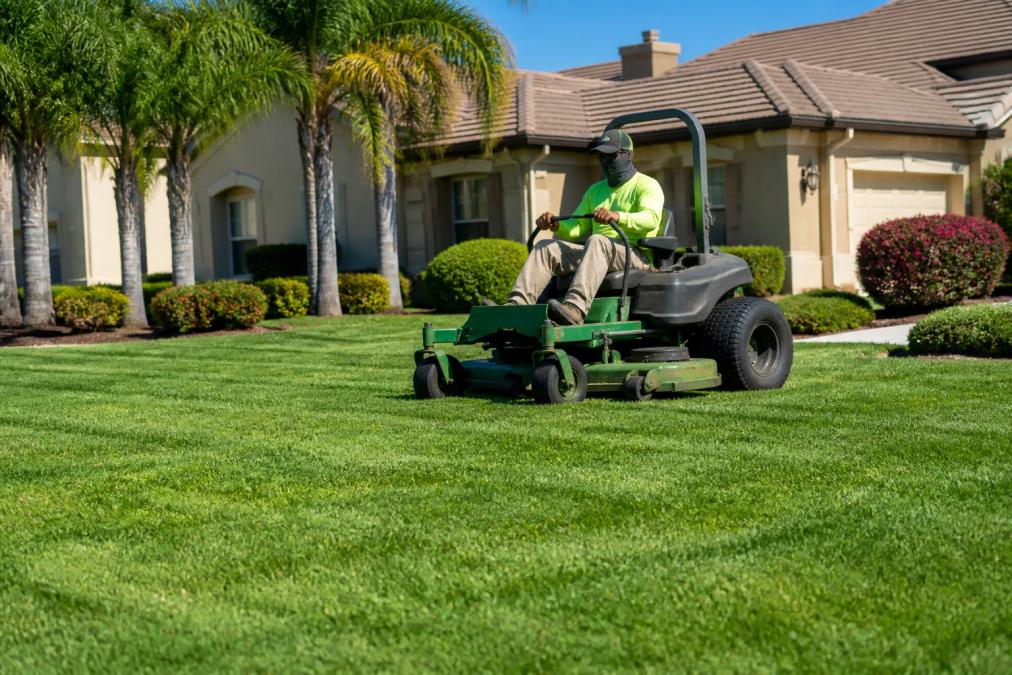
At Absolute Lawn Care, we quote every job individually because two lawns of identical square footage can require completely different amounts of work. A flat, clean stand of turf and a sloped lot with overgrown edges are not the same job, and pricing them the same way would be dishonest.
What a Standard Mowing Service Includes
A standard mowing visit covers more than cutting grass. Most full-service providers include mowing, edging along hard surfaces, string trimming around obstacles, and blowing clippings off walkways and driveways.
Factors Affecting Lawn Mowing Costs
Several variables move the price up or down, and understanding them helps you evaluate whether a quote is fair. The four that matter most are mowable square footage, grass and soil conditions, service frequency, and the number of obstacles or add-ons a property carries.
Yard Size and Square Footage
Square footage is the starting point for almost every quote, but the number that matters is mowable turf area, not total lot size. A large lot dominated by house, driveway, and landscaping may sit in the same tier as a smaller lot that is almost entirely grass. Measure your actual turf area before requesting a quote.
| Mowable Turf Area | Typical Per-Visit Range | Typical Weekly Range | Notes |
|---|---|---|---|
| Under 5,000 sq ft | $35-$55 | $140-$220/mo | Small front-and-back lots; minimal edging |
| 5,000-10,000 sq ft | $50-$80 | $200-$320/mo | Standard suburban lot; moderate trimming |
| 10,000-20,000 sq ft | $75-$130 | $300-$520/mo | Larger lots; more passes and clipping volume |
| Over 20,000 sq ft | $120-$200+ | $480-$800+/mo | Acreage or multi-zone turf; often quoted on-site |
Grass Type and Local Soil Conditions
Turf grass variety and soil conditions affect both mowing time and long-term lawn health. The region's clay-heavy soils compact easily, and different grass types grow at different rates through the season.
Service Frequency
Frequency is the single biggest lever on your annual cost. Weekly service keeps turf at a consistent height, which discourages weeds and reduces stress on the grass. Bi-weekly service lowers the per-visit rate but each cut removes more blade length, leaves heavier clipping loads, and often needs a second pass to look even. Over a full season, the gap between the two narrows more than most homeowners expect.
Obstacles and Add-Ons
Obstacles add time, and time is what you are paying for. Trees, slopes, garden beds, tight side gates, play structures, and pet waste all slow a crew down. Add-ons such as clippings removal, hedge trimming, weed control, fertilization, and aeration are typically separate line items. Ask any provider to list inclusions in writing before you compare quotes, because a low headline rate frequently excludes the finishing work that makes a lawn look maintained rather than merely shortened.
Bi-Weekly Lawn Mowing Rates vs. Weekly Service
Bi-weekly lawn mowing rates are almost always lower per visit than weekly service, but they are not automatically cheaper per season. Grass that grows for two weeks takes longer to cut, leaves heavier clipping loads, and often needs a second pass to look even.
| Service Frequency | Best For | Trade-Off |
|---|---|---|
| Weekly | Active households, peak growing season | Highest per-season cost, best turf condition |
| Bi-weekly | Budget-conscious homeowners, slower growth months | Lower frequency, heavier cuts per visit |
| One-time | Property prep, move-outs, overgrown lots | No ongoing consistency, higher per-cut rate |
Residential Lawn Maintenance Packages Explained
Residential lawn maintenance packages bundle recurring services into a single schedule, which typically costs less than booking each task separately. A typical package combines mowing, edging, trimming, and blowing on a set frequency.
DIY vs. Professional Lawn Mowing: A Cost-Benefit Analysis
DIY mowing saves the service fee but costs you equipment, fuel, maintenance, and time. A residential mower, trimmer, blower, and edger add up quickly, and commercial-grade equipment cuts faster and more evenly than most homeowner units.
Seasonal Lawn Care Requirements in the Sacramento Valley
Seasonal pricing reflects how fast grass grows and how much work each visit requires. In the Sacramento Valley, turf growth surges in spring and early summer, slows in the hottest weeks, and picks up again in fall. Winter growth nearly stops, which is why many homeowners drop to a reduced schedule and use the quieter months for aeration, overseeding, and irrigation repairs.
A Season-by-Season Schedule
| Season | Growth Pattern | Typical Mowing Frequency | Key Tasks |
|---|---|---|---|
| Spring | Rapid surge as soil warms | Weekly | First mow of the season, aeration, weed control, irrigation check |
| Summer | Slows in peak heat, then steady | Weekly to bi-weekly | Raise mowing height, adjust irrigation timing, watch for stress |
| Fall | Second growth flush | Weekly, then tapering | Overseeding cool-season turf, leaf cleanup, fertilization |
| Winter | Near dormancy | Bi-weekly or on-call | Aeration, irrigation repair, equipment service |
Matching Frequency to Grass Type
Cool-season lawns, tall fescue and ryegrass, do most of their growing in spring and fall, so those are the months when weekly service earns its keep. Warm-season lawns, Bermuda and St. Augustine, push hardest through summer and go dormant and brown in winter, when mowing can drop to a maintenance pass or stop entirely. Knowing which category your lawn falls into tells you when to spend and when to save.
Water-Wise and Sustainable Practices
Summer heat stresses lawns, so mowing height and irrigation timing matter more than frequency alone. Cutting too short exposes soil to the sun and forces the grass to work harder to recover. Raising the deck height during the hottest weeks and watering deeply but less often encourages deeper roots.
Why Seasonal Timing Affects Price
A lawn cut every two weeks in July takes longer per visit than the same lawn cut weekly in November. That is why a provider's quote may shift with the season even when nothing about your property changes. Locking in a recurring schedule before the spring surge typically produces steadier pricing than calling for one-time cuts during peak growth.
How to Get an Instant Lawn Care Quote in Elk Grove
An instant quote still requires a few details, but you can gather them in minutes. Accurate information up front means fewer follow-up calls and a faster, firmer price.
- Measure your mowable turf area, not your full lot size
- Note your grass type if you know it, or describe its appearance
- List obstacles: trees, slopes, garden beds, tight gates
- Decide your preferred frequency: weekly, bi-weekly, or one-time
- Note any add-ons: clippings removal, weed control, aeration, irrigation repair
- Mention your timeline if you are preparing a property for sale
Frequently Asked Questions
What factors influence the price of lawn mowing services?
Several variables determine your final cost. Yard size is the biggest factor, since larger properties take more time and fuel. Other factors include grass height and thickness, the number of obstacles like trees and garden beds, required edging and trimming, clippings removal, and service frequency. Seasonal growth rates also matter, since spring and summer mowing takes longer than winter touch-ups. Absolute Lawn Care provides written quotes before starting work so you know exactly what you are paying for.
Is it cheaper to pay for weekly or bi-weekly lawn mowing?
Bi-weekly service usually costs less per month because you are paying for fewer visits. However, weekly mowing can be more cost-effective long term. When grass grows too tall between visits, crews must cut more aggressively, which can stress turf grass and require extra cleanup. Following the 1/3 rule, never removing more than one-third of the blade height at once, keeps grass healthier and reduces the need for corrective treatments. Ask your provider which schedule fits your lawn's growth rate.
How does lot size affect the cost of lawn maintenance?
Lot size directly impacts labor time, fuel, and equipment wear. A small residential lot in Elk Grove may take 20 to 30 minutes to mow, edge, and blow, while a half-acre property can take over an hour. Most lawn care providers price by square footage of turf, not total lot size, since driveways, patios, and structures do not need mowing. When requesting a quote, measure your actual grass area for the most accurate estimate.
What services are typically included in a standard lawn mowing quote?
A standard professional mowing service usually covers grass cutting at the proper height, string trimming around fences, trees, and foundations, edging along driveways and walkways, and blowing clippings off hard surfaces. Some providers include clippings removal, while others leave them as mulch. Additional services like lawn aeration, fertilization, weed control, and seasonal cleanups are often priced separately. Always confirm what is included before signing up so there are no surprise charges.
Comparing lawn mowing costs gets complicated fast when every provider quotes differently. Absolute Lawn Care keeps it simple: licensed and insured crews, written quotes before any work begins, and a full range of outdoor services so you are not managing three contractors for one yard. From routine mowing and weed control to irrigation repairs and tree removal, one team handles it all. Get a free quote today and see exactly what your lawn needs.